Nurse SVG Design: My Favorite Nurse Call Review
As a designer who spends half my life tweaking vector paths and the other half watching an embroidery machine hum through thousands of stitches, I have learned to be skeptical of cute graphics. We all know that what looks crisp on a computer screen does not always translate well to thread and fabric. When I first opened the file for Nurse SVG Design. My Favorite Nurse Call, I was looking for more than just a clever phrase. I was looking for a design that could hold its own in a real-world production environment, whether that meant stitching it onto a heavy canvas tote or a delicate baby onesie.
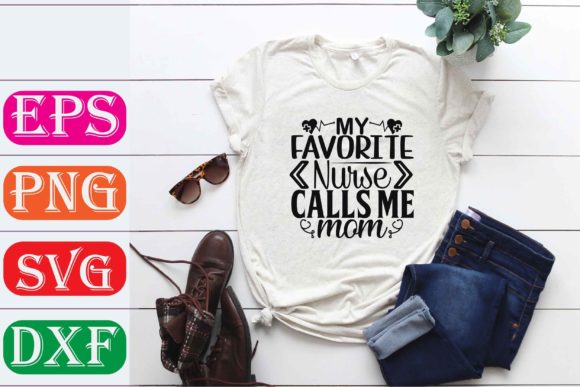
The concept is simple yet emotionally resonant. The phrase "My Favorite Nurse Calls Me Mom" flips the traditional script, adding a layer of warmth and humor that appeals directly to healthcare workers who are also parents. This duality makes it a powerful asset for anyone in the craft business. But sentiment alone does not sell products; execution does. Here is my practical assessment of how this graphic performs when moved from a digital embroidery file to a tangible, stitched reality.
First Impressions and Visual Personality
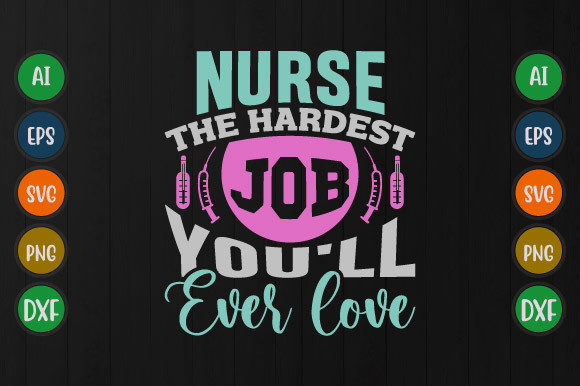
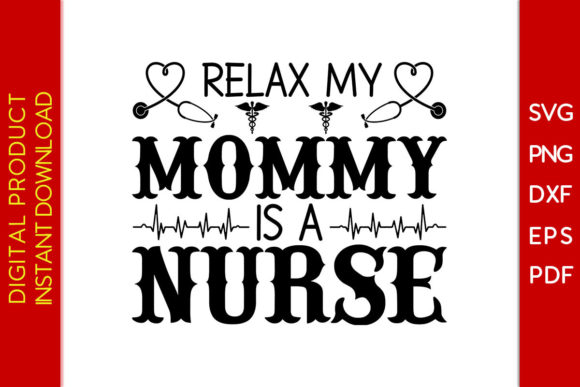
The layout of Nurse SVG Design. My Favorite Nurse Call strikes a balance between playful and professional. The typography appears clean, with enough weight to remain legible without becoming overly dense. In embroidery, thick, blocky letters can sometimes look clumsy if the stitch density is too high, while thin scripts can get lost in the texture of the fabric. This design seems to avoid both pitfalls. The visual mood is lighthearted, making it an ideal candidate for personalized gifts and boutique branding where personality matters as much as precision.
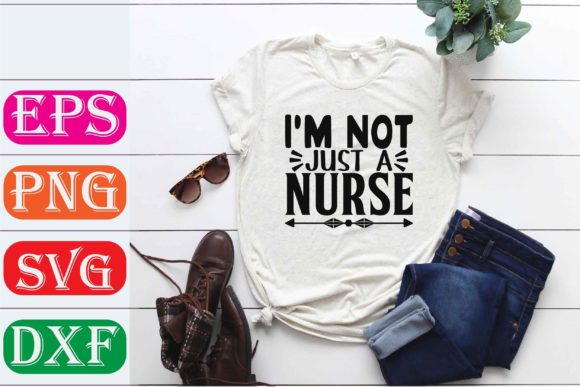
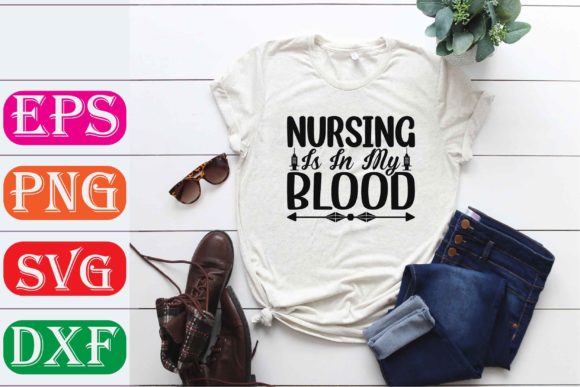
For those of us selling T-Shirt Designs or custom apparel, the versatility of the included formats is a significant advantage. The ZIP file contains EPS Files, SVG Files, PNG Files, and DXF Files. This variety means you are not locked into a single workflow. You can use the SVG for cutting vinyl, the PNG for printable mockups, and the vector files for scaling before converting to your preferred machine embroidery format. Having these Graphics readily available streamlines the process of creating product previews for your Etsy seller shop or small online store.
Real-World Application: The Sweatshirt Test
To truly evaluate a design, you must imagine it on a specific product. I envisioned this piece stitched onto a mid-weight cotton blend sweatshirt. This is a popular item for holiday embroidery and everyday wear. The phrase lends itself perfectly to a chest-left placement or centered across the front. On a sweatshirt, the fabric has enough loft to support the stitching without puckering, provided you use the correct stabilizer.
When considering stitch types, a design like this benefits from a mix of satin stitch for smaller elements and fill stitch for larger text blocks. If you are converting this yourself, pay close attention to the stitch density. Too dense, and the garment will feel stiff and board-like; too sparse, and the backing fabric will show through. For a handmade product intended for frequent washing, durability is key. I recommend testing a sample on scrap fabric first to ensure the thread colors contrast well against the garment and that the edges remain sharp after a wash cycle.
Navigating Fabric Challenges
Not every project is a straightforward sweatshirt. Many crafters want to use this design on textured fabrics, such as terry cloth towels or waffle-knit aprons. Here, caution is required. Textured surfaces can obscure fine details. If the lettering in Nurse SVG Design. My Favorite Nurse Call includes any intricate serifs or tight spacing, they may merge together on a high-pile fabric. In such cases, increasing the size of the design or choosing a smoother fabric like a polished cotton pillow cover might yield better results.
Dark fabrics present another challenge. While the design likely relies on shape rather than color, thread choice becomes critical. A light thread on dark fabric requires precise tension settings to prevent the dark background from peeking through the stitches. Conversely, stitching on stretchy fabric like a cap or a fitted tee requires a cut-away stabilizer to maintain shape integrity. Curved surfaces, such as caps, demand careful hooping. If the design is too wide, it may distort around the curve. Always check the dimensions of your hoop size against the design width before starting.
Commercial Viability and Brand Consistency
For digital product sellers and commercial embroidery professionals, the value of this asset lies in its emotional connection. It is not just a nurse design; it is a mom-and-nurse design. This niche appeal can drive higher engagement on social media and increase conversion rates for small shop products. When used in a cohesive collection, it reinforces brand consistency. Imagine pairing this with other family-centric medical themes for a holiday gift line or a nursing school graduation collection.
However, professionalism is paramount. A sloppy stitch-out can damage customer trust. Before listing this as a finished product or including it in a bundle of design assets, inspect the corners and tiny lettering. Ensure there are no excessive jump stitches or loose threads. A clean, professional finish elevates the perceived value of the item, allowing you to price it competitively in the handmade market.
Practical Designer Notes
Before you commit to a full production run, keep these technical considerations in mind:
- Test on Scrap Fabric: Never skip this step. Different threads and fabrics react uniquely. A test stitch reveals tension issues and density problems early.
- Check Thread Color Contrast: Ensure the thread stands out against the fabric. High contrast improves readability, especially from a distance.
- Review Stitch Density: Adjust density based on fabric weight. Lighter fabrics need lighter stitch counts to prevent puckering.
- Confirm Hoop Size: Measure the design against your machine’s maximum hoop area. Do not assume it fits without checking.
- Inspect Small Details: Zoom in on the vector file. Look for nodes that might cause stitching errors or overly complex curves.
- Use Proper Stabilizer: Match the stabilizer to the fabric. Cut-away for stretchy knits, tear-away for stable wovens.
- Verify Licensing: Although the file includes multiple formats, always confirm the license terms for commercial use before selling finished items or digital products.
In conclusion, Nurse SVG Design. My Favorite Nurse Call is a strong contender for your next embroidery project. It combines emotional resonance with a clean, adaptable layout. Whether you are creating a personalized gift for a friend, stocking your Etsy seller inventory, or designing custom apparel for a local clinic, this graphic offers the flexibility and charm needed to succeed. Just remember that the quality of the final product depends heavily on your technical execution. Treat the file with care, respect the limitations of your materials, and let the design shine through precise, thoughtful stitching.